CPR Certification OKC: BLS, ACLS & PALS Training Guide
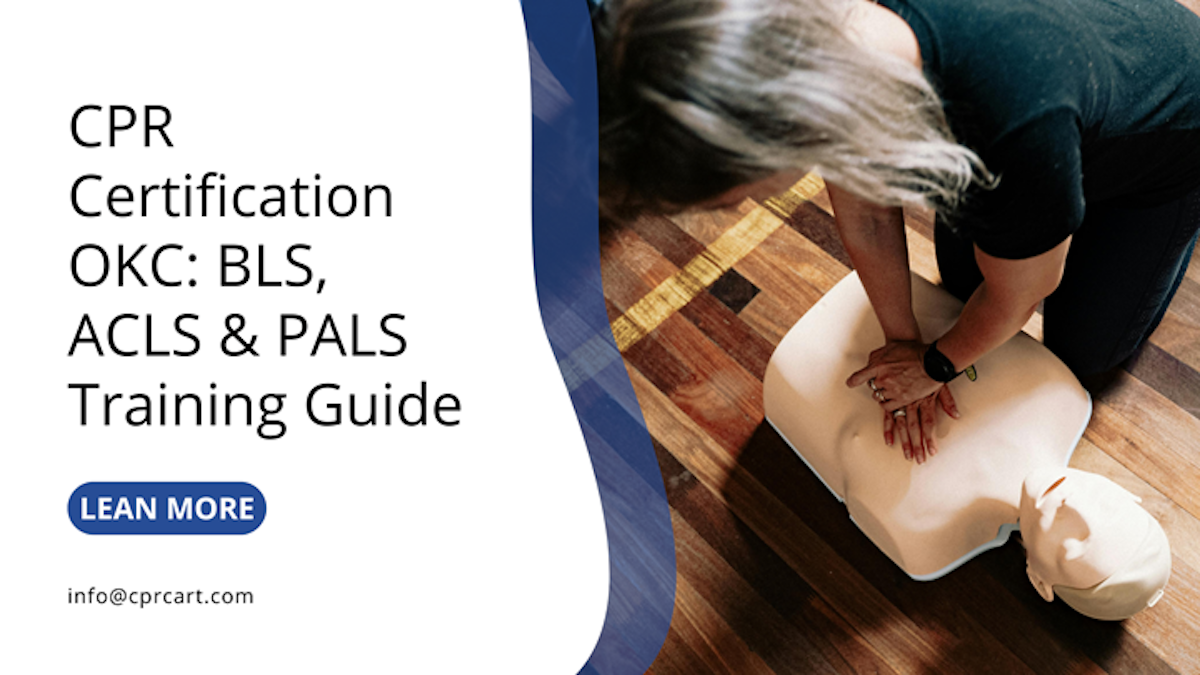
Cardiopulmonary Resuscitation (CPR) and advanced life support skills can make the difference between life and death during emergencies. Whether you’re a healthcare professional, first responder, childcare provider, or someone who wants to be prepared, earning CPR Certification OKC is a smart and responsible decision.
In Oklahoma City, several certification options are available, including BLS Certification, ACLS Certification, and PALS Certification. Each course serves a specific purpose and audience. This guide will help you understand the differences and choose the right training for your needs.
What Is CPR Certification and Why It Matters
CPR certification teaches you how to respond effectively during cardiac arrest, choking, or breathing emergencies. These skills are essential not only in hospitals but also in schools, workplaces, gyms, and homes.
In Oklahoma City, CPR certification is commonly required for:
- Healthcare professionals
- Nurses and medical students
- EMTs and paramedics
- Teachers and daycare providers
- Coaches and fitness instructors
- Workplace safety teams
CPR training builds confidence, improves emergency response time, and helps save lives before professional help arrives.
BLS Certification: The Foundation of Life Support
BLS Certification (Basic Life Support) is often the first step for anyone entering the medical or healthcare field. It focuses on high-quality CPR and team-based emergency response.
Who Needs BLS Certification?
- Nurses and doctors
- Medical assistants
- Dental professionals
- EMTs and paramedics
- Healthcare students
What You’ll Learn
- Adult, child, and infant CPR
- Proper AED usage
- Choking relief techniques
- High-performance team CPR
BLS certification is more advanced than standard CPR and is usually required by hospitals and healthcare employers throughout Oklahoma City.
ACLS Certification: Advanced Cardiac Care
ACLS Certification (Advanced Cardiovascular Life Support) is designed for experienced healthcare providers who manage cardiac emergencies and complex patient care.
Who Should Take ACLS?
- Physicians
- Critical care nurses
- ER staff
- Paramedics
- Anesthesiologists
Key Skills Covered
- Cardiac rhythm interpretation
- Advanced airway management
- IV medication administration
- Stroke and cardiac arrest algorithms
- Post-cardiac arrest care
ACLS certification builds on BLS knowledge and emphasizes critical thinking and leadership during emergencies.
PALS Certification: Pediatric Emergency Response
PALS Certification (Pediatric Advanced Life Support) focuses on managing emergencies involving infants and children. Pediatric patients require specialized care, and this course addresses those unique needs.
Who Needs PALS Certification?
- Pediatric nurses
- Pediatricians
- Emergency room staff
- Paramedics
- Healthcare providers working with children
What the Course Includes
- Pediatric CPR and airway management
- Recognition of respiratory distress
- Pediatric shock and cardiac emergencies
- Team dynamics in pediatric resuscitation
PALS certification is essential for professionals working in pediatric or family-focused healthcare settings.
Choosing the Right CPR Certification OKC
Selecting the right course depends on your profession and workplace requirements:
- BLS Certification: Required for most healthcare positions
- ACLS Certification: Needed for advanced cardiac care roles
- PALS Certification: Mandatory for pediatric-focused providers
Many training centers in Oklahoma City offer flexible scheduling, including weekday, weekend, and accelerated options to fit busy lifestyles.
How Long Do Certifications Last?
Most CPR, BLS, ACLS, and PALS certifications are valid for two years. Renewal courses are recommended before expiration to stay compliant with employer and licensing requirements.
Final Thoughts
Getting CPR Certification OKC is more than just meeting a requirement—it’s about being ready to act when it matters most. Whether you’re pursuing BLS Certification as a healthcare professional, advancing your skills with ACLS Certification, or specializing in pediatric care with PALS Certification, proper training empowers you to save lives with confidence.
If you live or work in Oklahoma City, staying certified ensures you’re prepared, professional, and equipped to handle real-world emergencies when seconds count.